
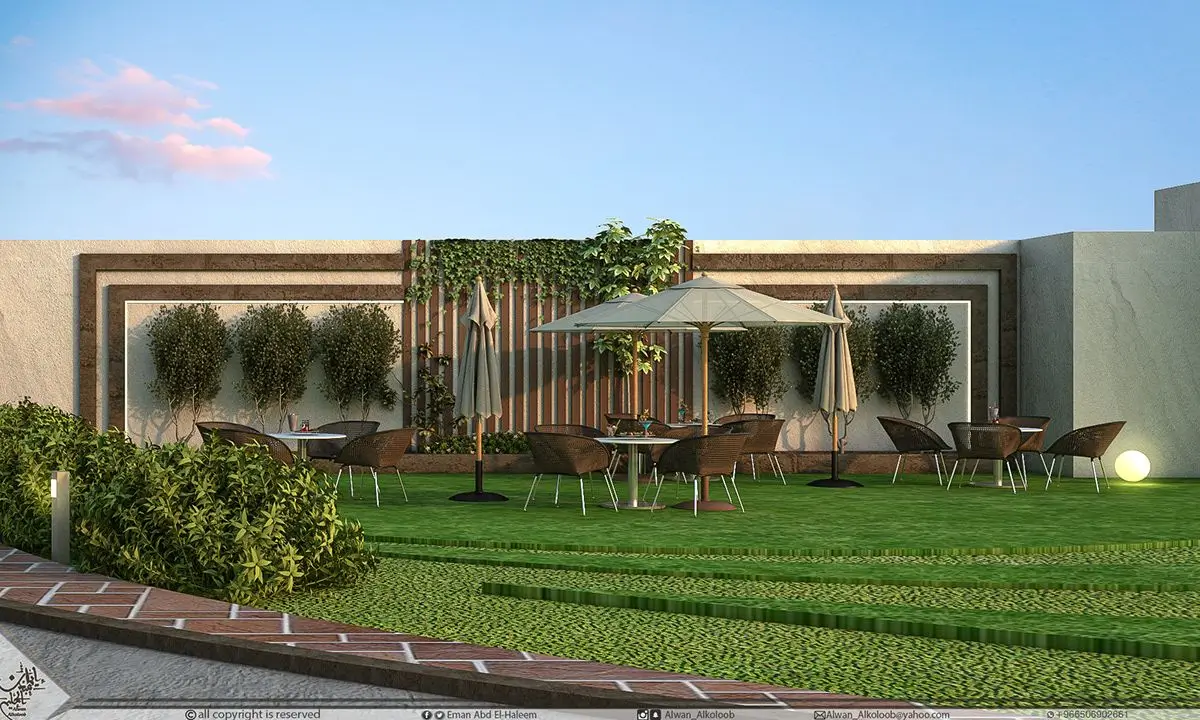
When you look at your backyard and think “this is just empty space,” it’s because nothing really goes there. Your chairs are sitting in the hot sun. And, the grass around them has worn down from people walking on it. If you spend some time making the yard more functional for your family, you will find yourself spending much more time there. Backyard Landscaping is about what works for you and your family every day, not how good the yard looks in pictures.
A practical plan for your yard will provide you with a way to combine comfort with plant care and maintenance. A good design will help ensure you don’t purchase features that you’ll have to relocate in the future. A well-designed yard can give you plenty of space to enjoy meals, take a break from the hustle and bustle, and grow plants regardless of how large or small your yard is.
1. A Yard That Fits Your Daily Life
A good design begins by identifying the most important activities in your household. For some people, this will be having their family meal together close to the kitchen; for other people, it will be creating a quiet space where they can escape from traffic and other outside noise. However, when you try to include all of your desired features into one area, there is likely to be very little space left for you to enjoy.
The main priorities that assist in developing a functional plan are;
- The area that is open to use for play and other physical activities.
- The ideal location to sit down and enjoy a meal.
Next, the amount of space allocated for each purpose is based on how it is being used. For example, in Backyard Landscaping, the size of the play area will be more functional if you avoid planting or placing furniture in high-traffic areas. You should also consider existing elements. A mature shade tree can create the same type of comfort as a newly constructed element.
2. Sun, Soil, and Water Shape the Plan
There are many factors in every yard which influence how well plants grow. For example, sunlight varies from hour to hour and season to season. What appears to be a bright location at 12:00 P.M., could have very limited morning light. In addition, fences and other vegetation near your garden area may provide shade that you did not notice.
This is one of the reasons why many flowering plants have trouble growing in areas that are shaded. Puddles created after a rainstorm can tell us where water gathers, but we need to check the condition of any standing water prior to adding new plants. By choosing plants that fit well with our current growing conditions, we will save money on replacements, and make it easier to maintain our yards throughout the year.
3. A Simple Sketch Makes Space Clear
A basic drawing can reveal problems before any digging begins. First, measured yard edges give the sketch a useful scale. Doors, gates, trees, and current paths show where movement already happens. Next, rough shapes mark possible seating, lawn, and garden areas.
Many landscaping ideas for backyard spaces look appealing online. However, a sketch shows whether those ideas actually fit. A large fire feature might crowd a narrow yard. Meanwhile, a smaller seating area could leave room for a garden and clear walking routes.
Also, views from inside the home matter. So, choosing Backyard Landscaping, a planting bed outside a kitchen window can bring daily enjoyment. In contrast, tall shrubs beside a gate may block sightlines. A clear plan balances beauty with movement. As a result, the finished yard feels comfortable rather than crowded during everyday use.
4. Plants That Belong in the Space
When selecting plants for your garden, it is important to find ones that fit both the way they look and their requirements. The first step in narrowing down your choices is to take into account the climate, amount of sun, and type of soil in your area. Next, think about how large the plant will grow to be, so you don’t over-crowd other plants in the future. For example, a small shrub purchased at a nursery can easily grow to block a window or rub up against a sidewalk.
The useful plants listed below have all met these three requirements:
- The amount of light required by each plant should be compatible with the location of where they will be planted.
- The size of an adult plant is appropriate for the area where it grows.
Repeated use of the same types of plants can create a sense of unity among your garden beds. In addition, varying when different types of plants produce their blooms will allow you to maintain color in your garden throughout the entire growing season.
5. Paths and Patios That Support Movement
Paths and patios help link together the main parts of your yard. Usually, the simplest way is to follow the same paths that you use when walking through your yard. For example, if there is a path from your back door to your gate, then it will also provide protection for any beds that are near that path. Additionally, having a patio close to your kitchen will make it easier to have meals outside.
On the other hand, there should be some careful planning for the use of drainage. Therefore, when making significant changes to your property, it would be beneficial to seek professional assistance regarding the site prior to installing any type of system; particularly in areas where you will be working close to a foundation or on a steep slope.
6. Watering That Matches Plant Needs
A practical watering plan supports healthy plants without needless waste. First, plants with similar water needs work well together. The EPA recommends this approach because separate watering groups help prevent both overwatering and underwatering. A sunny flower bed can dry faster than a shaded shrub border. Meanwhile, rainfall changes how much extra water either area needs.
Mulch and Moisture
Mulch helps soil hold moisture and limits weeds. However, mulch belongs around plants, with space between the material and their stems or trunks.
7. Comfort, Privacy, and Everyday Enjoyment
The most useful landscaping ideas for backyard spaces improve everyday comfort. First, shade can make a seat more inviting during warm afternoons. A healthy existing tree may provide that shade. However, new trees need space for their future branches and roots.
Privacy also depends on the view that needs screening. A short planting group may hide a nearby seating area. Meanwhile, a taller screen could block light or make a small yard feel closed. So. landscaping for backyards is a very useful option to improve home aesthetics overall.
Comfort often comes from simple details:
- Seats with room for people to pass.
- Shade near frequently used gathering areas.
- Gentle lighting along key walking routes.
Also, lighting works best when it serves a clear purpose. A focused light near steps can help people see changes in level. Bright lights across the whole yard may create glare instead.
8. A Budget That Includes Future Care
A realistic budget covers more than the first installation. First, plants need watering, trimming, and occasional replacement. Paths may need repairs, while furniture requires cleaning and storage. These costs affect whether the yard stays enjoyable after the project ends.
Good landscaping for backyards balances new features with the time available for upkeep. For example, a small flower bed may suit a busy household. Meanwhile, several large beds could become a source of stress.
What could your backyard make room for next?
A comfortable yard begins with a clear purpose and choices that fit the site. Projects may involve Complete Lawn and Tree Service LLC. Either way, useful layouts and suitable plants support lasting value. With thoughtful planning, the backyard can support daily life and remain manageable as seasons change.